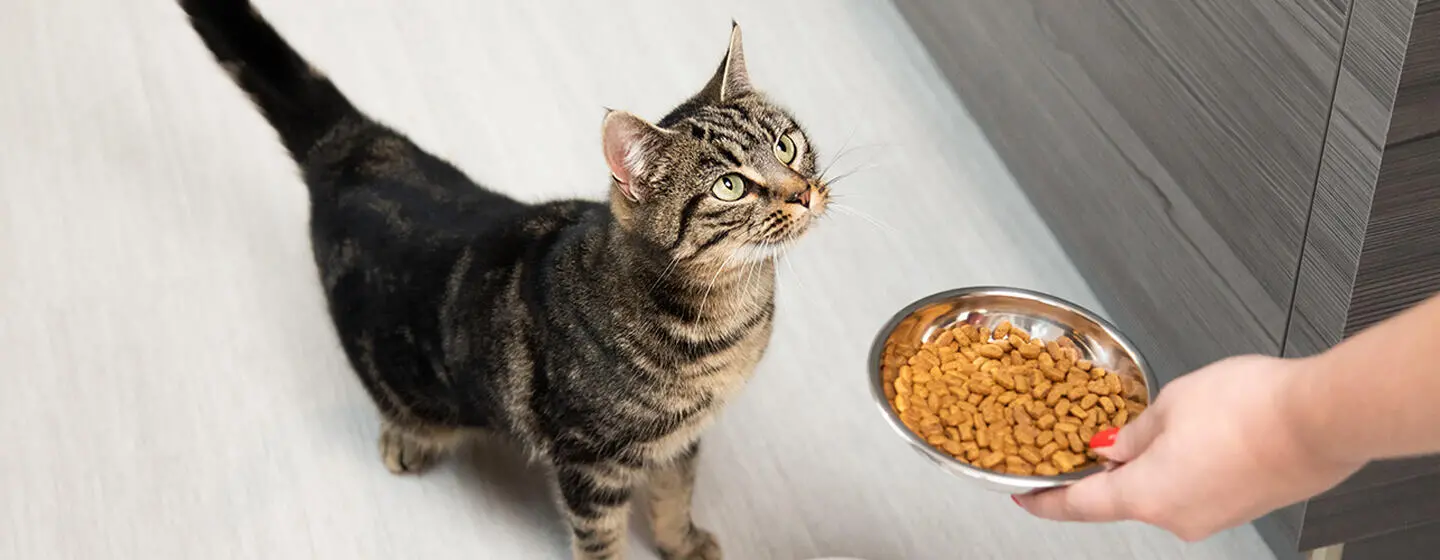
Cats are not just pets—they are family. Providing a balanced diet for cats is essential to ensure long-term health, strong immunity, and an active lifestyle. Whether you are a new cat owner or an experienced pet parent, understanding feline nutrition is key.
In this guide, we’ll break down everything you need to know about feeding your cat the right way.
🥩 What is a Balanced Diet for Cats?
A balanced diet means providing all the essential nutrients your cat needs in the correct proportions. Cats are obligate carnivores, meaning they require animal-based proteins to survive.
A proper diet includes:
- High-quality protein
- Healthy fats
- Essential vitamins & minerals
- Fresh water
🍗 Essential Nutrients for Cats
1. Protein (Most Important)
Protein supports muscle growth, tissue repair, and energy.
Best sources:
- Chicken
- Fish
- Turkey
- Beef
👉 Tip: Always choose animal-based protein, not plant-based alternatives.
2. Fats
Fats provide energy and help maintain healthy skin and a shiny coat.
Healthy fat sources:
- Fish oil
- Chicken fat
3. Vitamins & Minerals
These support immunity, bone health, and overall well-being.
Important nutrients include:
- Vitamin A
- Vitamin D
- Calcium
- Taurine (essential for heart and eye health)
4. Water 💧
Hydration is often overlooked but extremely important.
👉 Cats naturally drink less water, so consider wet food to increase hydration.
🍽️ Wet Food vs Dry Food: Which is Better?
🥫 Wet Food
Pros:
- High moisture content
- Easier to digest
- Better for urinary health
🥜 Dry Food
Pros:
- Convenient
- Helps with dental health
- Cost-effective
👉 Best practice: Combine both for a balanced approach.
📅 Daily Feeding Guide for Cats
The right feeding amount depends on:
- Age
- Weight
- Activity level
General guideline:
- Kittens: 3–4 meals per day
- Adult cats: 2 meals per day
- Senior cats: Adjust based on health
🚫 Foods You Should Never Feed Your Cat
Avoid these harmful foods:
- Chocolate
- Onions & garlic
- Alcohol
- Raw eggs
- Excess dairy
These can cause serious health issues or even be toxic.
🐾 Signs Your Cat Has a Poor Diet
Watch for these warning signs:
- Dull coat
- Low energy
- Weight loss or gain
- Digestive issues
👉 If you notice these, consult a veterinarian immediately.
💡 Expert Tips for a Healthy Cat Diet
- Always choose high-quality commercial cat food
- Avoid overfeeding
- Maintain a consistent feeding schedule
- Introduce new foods gradually
- Ensure clean, fresh water at all times


0 comments:
Post a Comment